

Execution
Marketing data to support sales – what should a B2B company measure?
The right metrics reveal whether marketing supports sales or only collects clicks, traffic, and contacts without commercial quality.
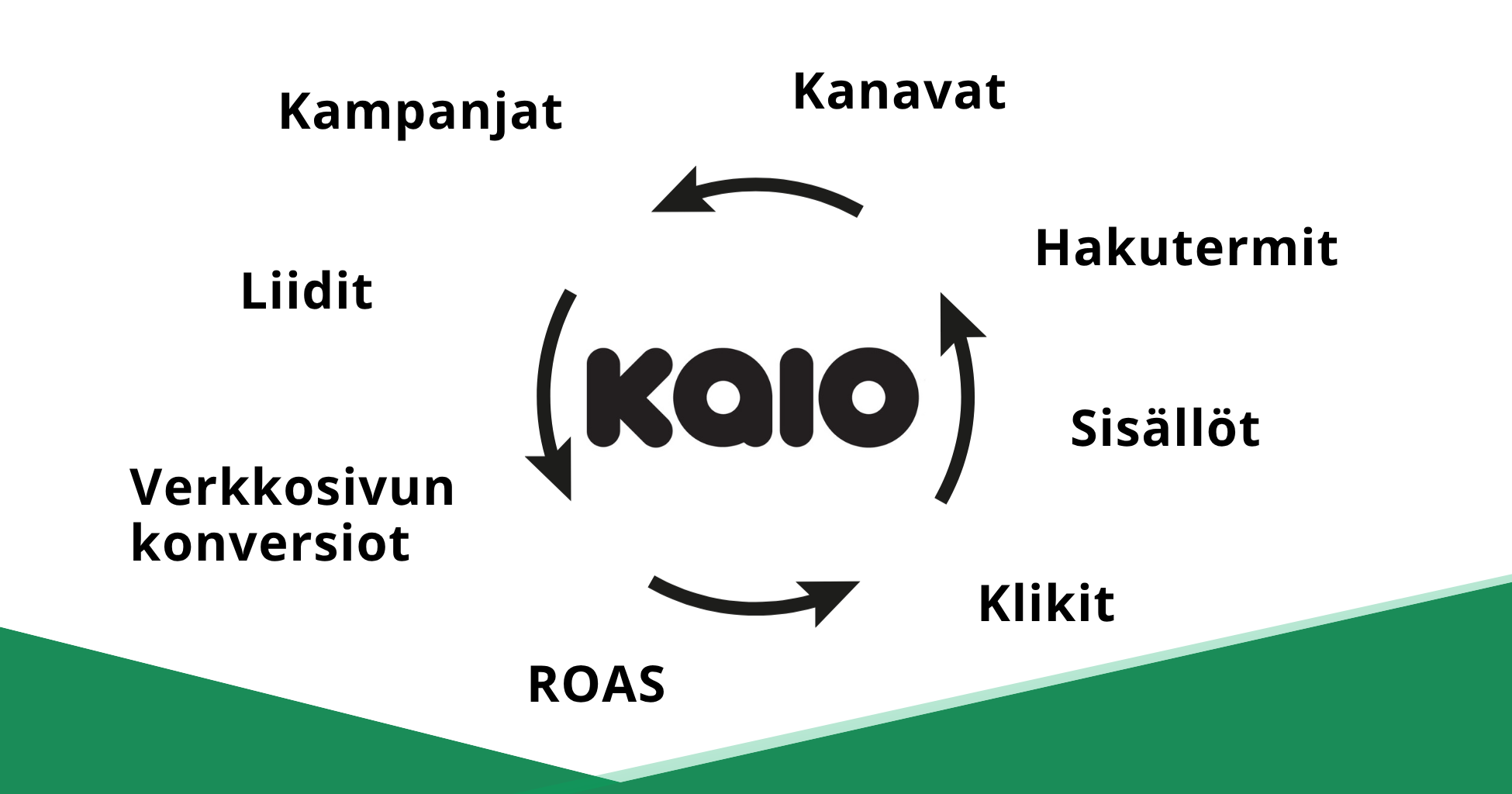
B2B marketing is often measured through campaigns, clicks, traffic, and lead volume. These metrics are important, but alone they do not show whether marketing actually supports sales.
If marketing is optimized only for visibility, click price, or lead volume, the work can look effective even when it does not create high-quality sales opportunities. A campaign may bring a lot of traffic, but from the wrong audience. A form may be filled in, but the enquiries do not progress in sales. A report may look good, but sales sees no impact in conversations, proposals, or customers.
Why does marketing data alone not tell the whole truth?
Marketing data often shows what happens in campaigns and channels. It can tell, for example:
- how much traffic comes to the website
- which channels visitors come from
- which campaigns collect clicks
- how many people fill in a form
- which content gets visibility
- how ad budget is distributed across channels
These are useful data points, but they are not enough to conclude which marketing best supports sales.
The problem starts when marketing success is evaluated too narrowly. If the metric is only click volume, campaigns easily optimize for attracting interest, not necessarily commercially relevant demand. If the metric is only lead volume, marketing can start producing many contacts whose readiness to buy, company profile, or decision-making power does not match sales needs.
In B2B customer acquisition, marketing's job is not only to increase traffic or grow form submissions. Its job is to help the right buyers move toward a conversation, a decision, and eventually a customer relationship.
That is why marketing data must be interpreted in relation to what sales needs: high-quality contacts, the right companies, the right roles, and clear buying signals.
How should marketing be measured so it supports sales?
A good measurement model does not focus only on marketing activity. It shows how marketing moves customer acquisition forward. In practice, the measurement model should be built on three levels.
1. Visibility and demand creation
This level shows whether marketing reaches the right audience.
- organic visibility
- ad impressions
- development of brand searches
- content reach
- website users
- visibility of the most important topics and pages
These metrics show whether interest is being created in the market and whether the company is found early in the buyer's research.
2. Interest and progression
This level shows whether attention turns into action.
- engagement rate
- page-specific behavior
- CTA clicks
- form starts
- analysis requests
- demo bookings
- reading of important content
- returning users
At this stage, you see which messages, content, and channels help the buyer move forward.
3. Quality and commercial potential
This level shows whether marketing supports sales.
- lead role and company profile
- fit with the ideal customer profile
- quality of form response
- sales assessment of lead relevance
- need and timeline
- progress to a conversation
- sales feedback on campaigns and content
This third level is often given too little attention. Yet it is critical in B2B marketing, because growth does not come from visibility alone but from high-quality opportunities.
How does a shared situational picture improve decision-making?
When signals from marketing, the website, campaigns, and customer acquisition are examined together, decision-making becomes clearer.
You can see, for example:
- which channels bring the right kind of interest
- which content supports buyer progression
- where the customer journey leaks
- which campaigns produce volume but not quality
- which topics interest the most potential buyers
- where budget should be moved
- what should be stopped, fixed, or scaled
This is different from reporting alone.
Reporting tells what happened. A customer acquisition situational picture helps understand what should be done next.
In B2B marketing, this difference is significant. If decisions are made only from monthly reports, reaction is often too slow. When the most important signals are easier to interpret, marketing can be guided faster toward better quality and actions that support sales more effectively.
How does KAIO help form a customer acquisition situational picture?
KAIO helps identify which actions produce high-quality leads, sales conversations, and commercially interesting opportunities. This means marketing does not need to be led only by clicks or lead volume; decisions can be made using jointly defined customer acquisition metrics.
Want to see where your marketing budget really goes and which actions produce the best results? KAIO brings the key signals of marketing and customer acquisition into one clear view.
Continue reading
Execution
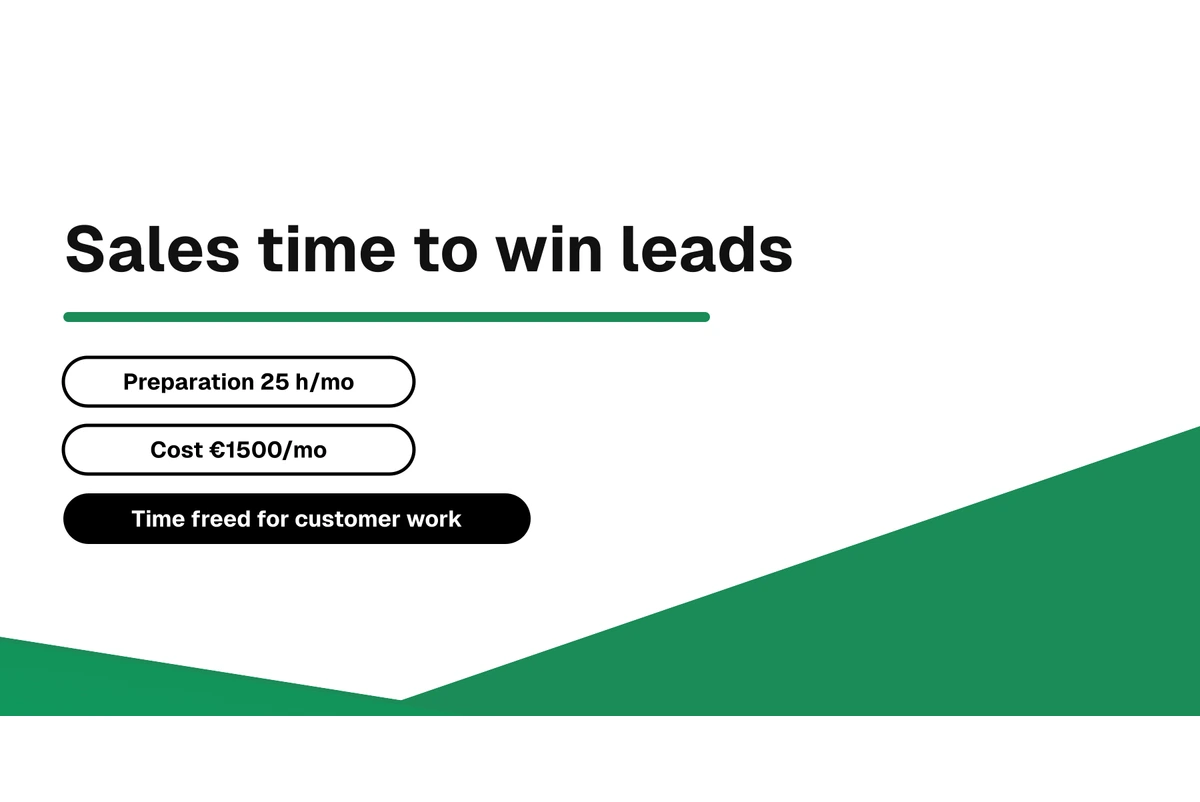
Sales time should be spent winning leads – not researching them
Manual lead preparation drains sales capacity and weakens CRM data. Here is how to calculate the cost of that wasted work and free up time for customer conversations.
Execution
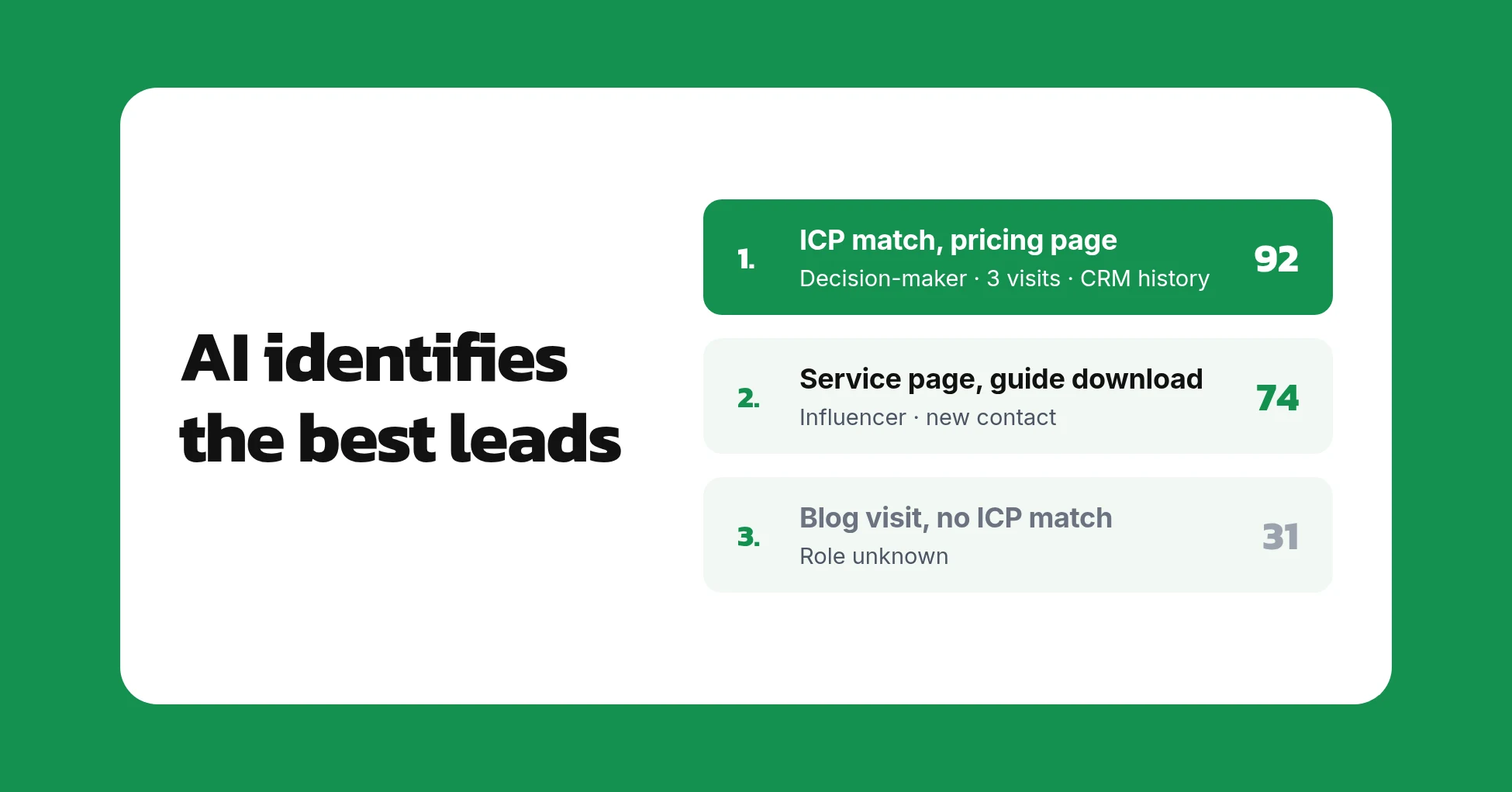
How does AI help sales identify the best leads before the first contact?
AI compiles lead data, identifies signals based on agreed criteria and proposes a justified handling order – so sellers start every conversation prepared.
Execution
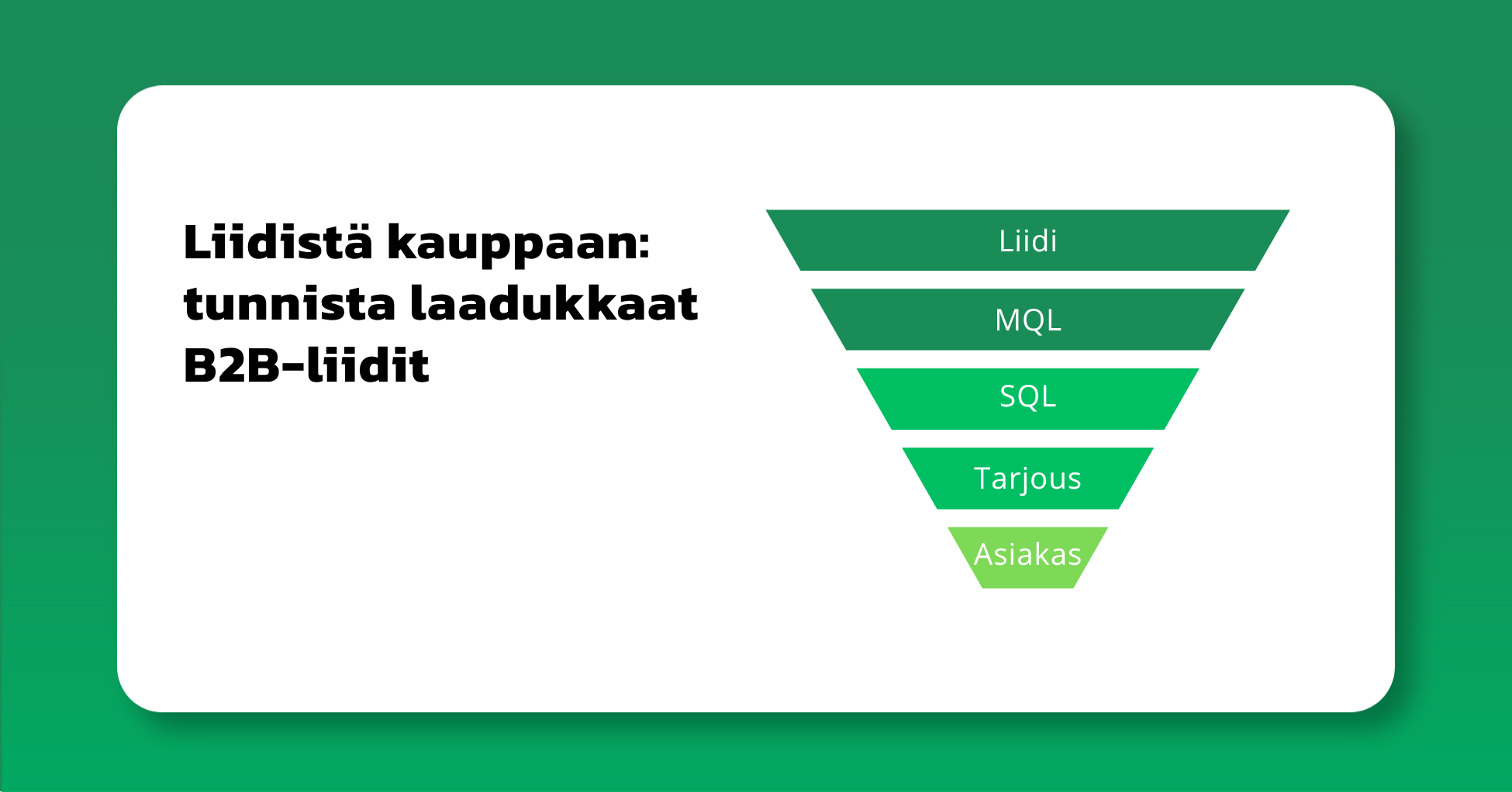
Why lead volume alone is not enough – how to identify high-quality B2B leads
Lead quality determines whether marketing creates real sales opportunities or simply fills the pipeline with the wrong contacts.
Ready to Outpace the Market?
KAIO helps guide sales and marketing with data toward better results.