

Execution
How does AI help sales identify the best leads before the first contact?
AI compiles lead data, identifies signals based on agreed criteria and proposes a justified handling order – so sellers start every conversation prepared.
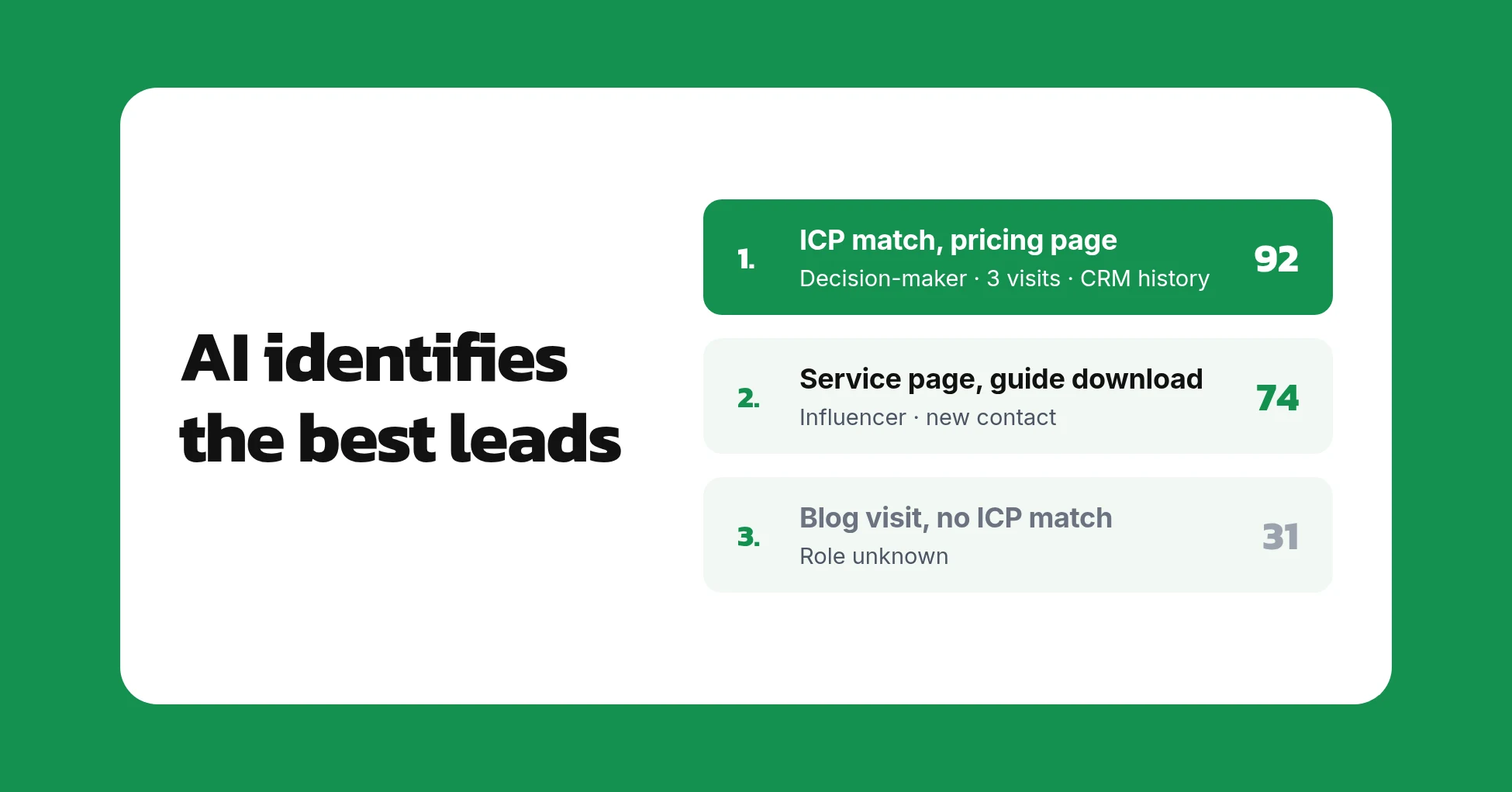
AI can reduce the manual background work sellers do, free up more time for commercially promising B2B leads and make sales work more meaningful through better preparation. When the essential information is already compiled, a seller understands the customer situation faster and can open the conversation from a relevant starting point.
In practice, a seller does not have to spend the first minutes – or at worst hours – figuring out the company, the person and the previous contacts. KAIO compiles and analyses the available lead data, identifies signals based on agreed criteria, proposes a justified handling order and brings the essential information into CRM work.
For sales leadership this provides a more consistent view of lead quality, handling order and response times. At the same time it becomes possible to see which channels, campaigns and content produce the most promising leads from a sales perspective. Sales time can then be managed based on data, and sales and marketing can form a shared understanding of what a high-quality lead means.
Why does manual lead handling slow sales down?
When a lead arrives, a seller needs quick answers to practical questions: Who is this person? What kind of company do they work for? What are they interested in? Does the company match the ideal customer profile? What contacts has the company already had?
If that information is scattered across website analytics, marketing automation, the CRM, company data services and personal notes, the seller starts by searching for information. That takes time away from actual selling and makes it harder to prepare for the customer situation.
An incomplete picture also shows up in the daily work of sales leadership. Lead quality and handling are hard to compare, response times hard to follow and the pipeline hard to assess if the essential information or the basis for prioritisation is not consistently available.
Without shared quality criteria, leads are easily handled in the order they arrive or based on an individual seller first impression. A promising lead may then have to wait while time is spent researching the background of a poorer fit.
Purposeful lead prioritisation helps direct working time to where the conditions for progress are judged to be best. The seller gets a better starting point for the conversation, and sales leadership sees more clearly how high-quality B2B leads and their scoring and handling order are formed.
What information does a high-quality lead assessment need?
Lead analysis is useful when the data used is relevant, sufficiently up to date and of good quality. The assessment can draw on information such as:
- Company basics: size, industry, location and other attributes relevant to the ideal customer profile.
- Person details: role, area of responsibility and estimated decision-making power in relation to the solution offered.
- Need and goal: the problem, goal or development area described in a form, chat or other contact.
- Content and web behaviour: downloaded content and visits to important product, service, pricing or contact pages.
- Form and analytics data: the answers given, returning visits and other available event data.
- Channel and campaign: where the lead came from and which marketing activity the contact relates to.
- CRM history: previous contacts, meetings, open or closed opportunities and recorded observations.
- ICP fit: how well the company and the person match the defined ideal customer profile.
A more useful picture emerges by combining data rather than looking at a single action. The significance of a service page visit, for example, can be assessed in relation to company fit, the person role, other content and CRM history.
This helps the seller understand, before the first contact, why the lead is interesting and from which angle the conversation is worth approaching. Sales leadership in turn gets more comparable information about lead quality and about which channels, campaigns and content produce contacts that best match the sales criteria. It also helps when marketing data is put to work for sales.
How AI-assisted lead prioritisation works
When sales and marketing data are brought into the same view, the process typically proceeds like this:
- Lead received: A contact arrives, for example from a form or chat.
- Data compiled: The available CRM, marketing and company data are combined into the lead background.
- Signal identification: KAIO identifies fit factors and observations related to possible buying intent based on the agreed criteria.
- Lead assessment: Lead scoring and a prioritisation proposal are formed based on the defined quality criteria and the ideal customer profile.
- Results into the CRM: The seller receives the analysis, a concise summary, the priority and the agreed next steps in their daily tool.
The seller sees in one place what matters about the lead, why it is worth responding and what is useful to know before making contact. This reduces background work and makes it easier to prepare for a high-quality conversation.
At the same time, sales leadership gains visibility into how quickly leads in different quality classes are handled, in what order they are processed and how they progress in the pipeline. That information can be used to manage sales time, direct resources and develop shared ways of working.
AI proposes, people decide
A workable division of labour is based on clear criteria. KAIO compiles information, compares leads against the ideal customer profile and proposes a priority or a next step based on its observations. Sales leadership, together with marketing, defines which companies, people and buying signals are relevant to the business.
AI assesses signals; it does not know buying intent for certain. The seller evaluates the customer situation, builds trust, asks the right questions and makes the final commercial decisions.
Shared criteria make lead scoring more transparent. Sales and marketing can look at what a high-quality lead means in the same way, see how the definition works in practice and develop it based on the data that accumulates.
KAIO brings the essentials into everyday sales work
KAIO helps turn scattered lead data into a practical situational picture. A seller does not have to start every lead from a blank page, but instead gets a compiled summary, the identified signals and a justified prioritisation proposal.
Better preparation makes sales work smoother and more meaningful. When the background is ready, the seller can spend more time understanding the customer situation, asking relevant questions and advancing commercially promising opportunities.
For sales leadership, a consistent situational picture provides visibility into lead quality, handling order, response times and the pipeline. It makes it possible to see whether seller time is allocated according to the agreed priorities and which kinds of leads progress in the sales process.
Marketing also gets feedback on which channels, campaigns and content produce the customers that are assessed as high quality by sales and that turn out to be the best. This supports marketing optimisation and the continuous development of a shared lead definition between sales and marketing.
Do you know which leads your sales team should handle first?
Find out with a free KAIO analysis how you can reduce seller background work, identify promising leads and bring a justified handling order into CRM work.
Want to discuss the solution directly?
Continue reading
Execution
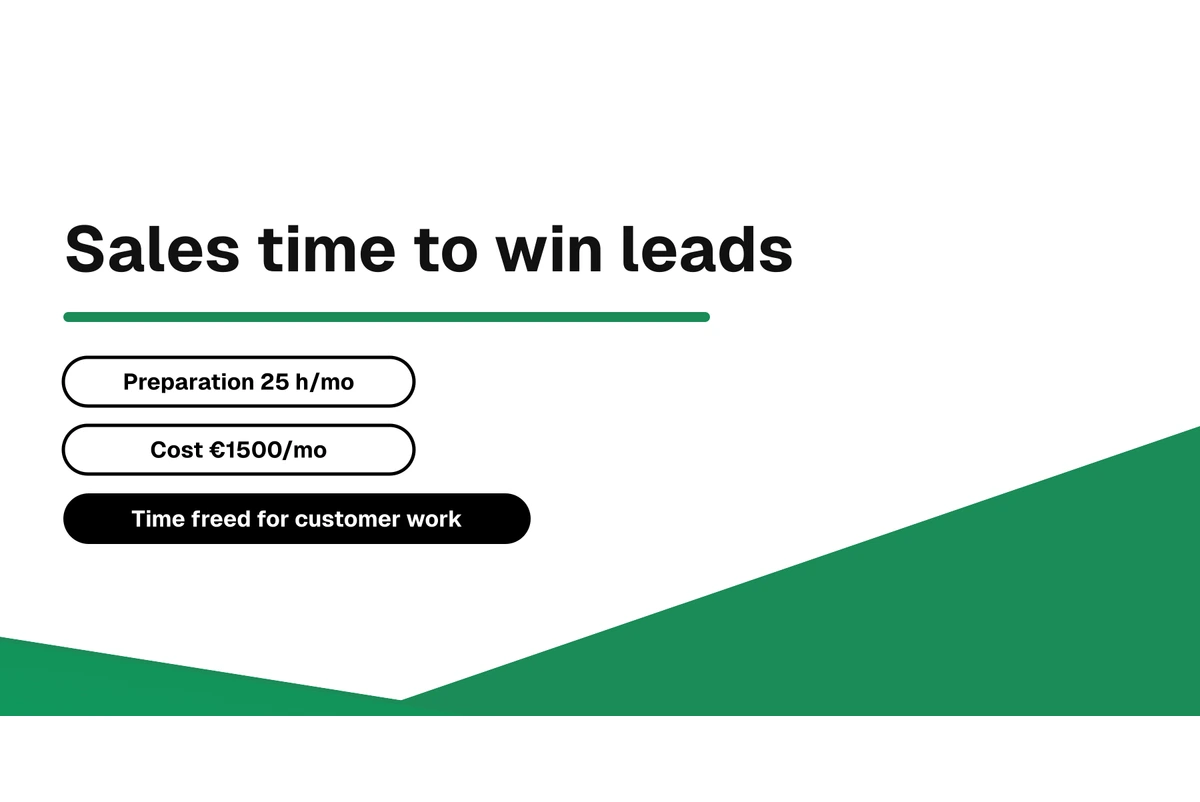
Sales time should be spent winning leads – not researching them
Manual lead preparation drains sales capacity and weakens CRM data. Here is how to calculate the cost of that wasted work and free up time for customer conversations.
Execution
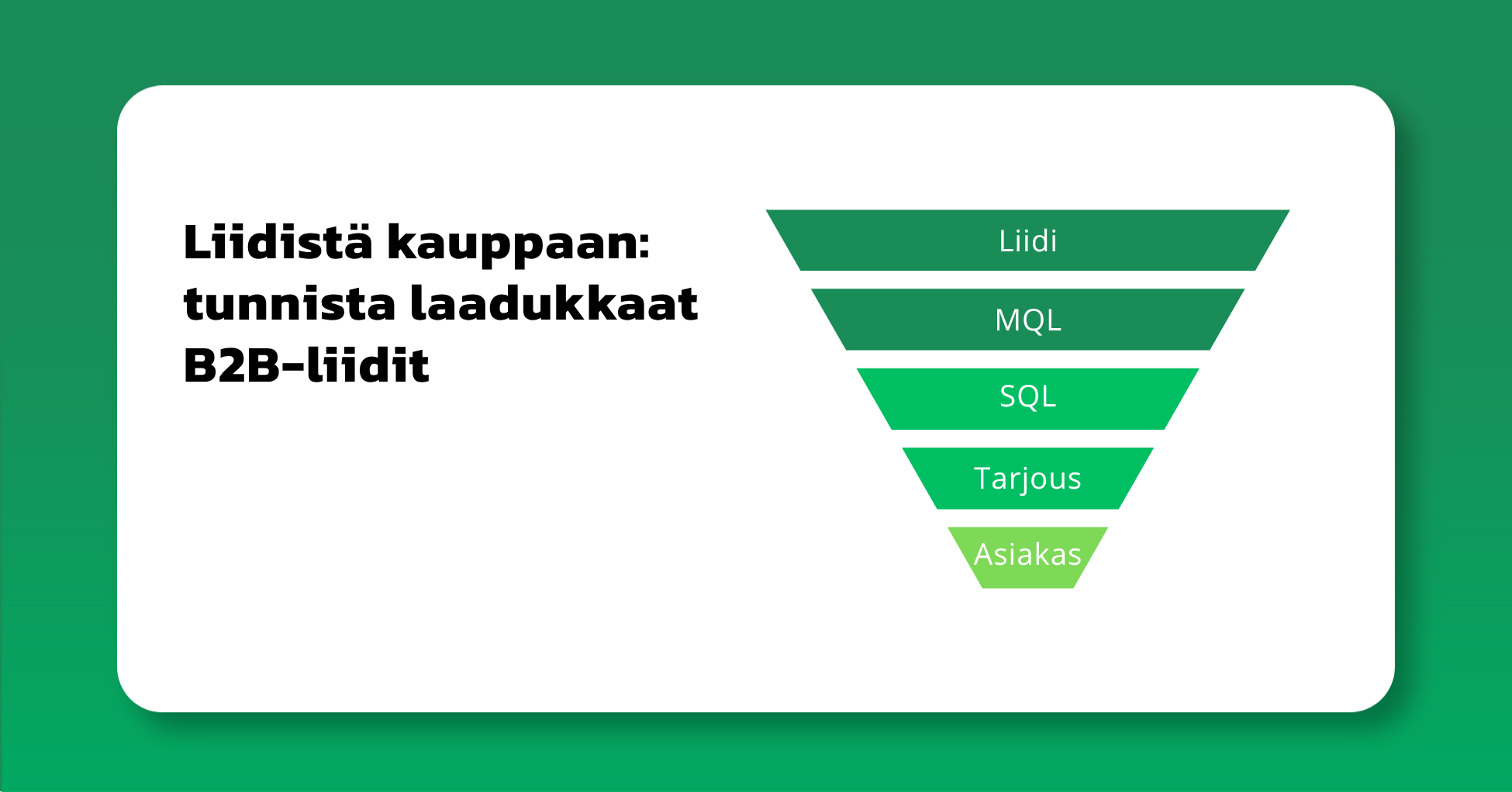
Why lead volume alone is not enough – how to identify high-quality B2B leads
Lead quality determines whether marketing creates real sales opportunities or simply fills the pipeline with the wrong contacts.
Execution
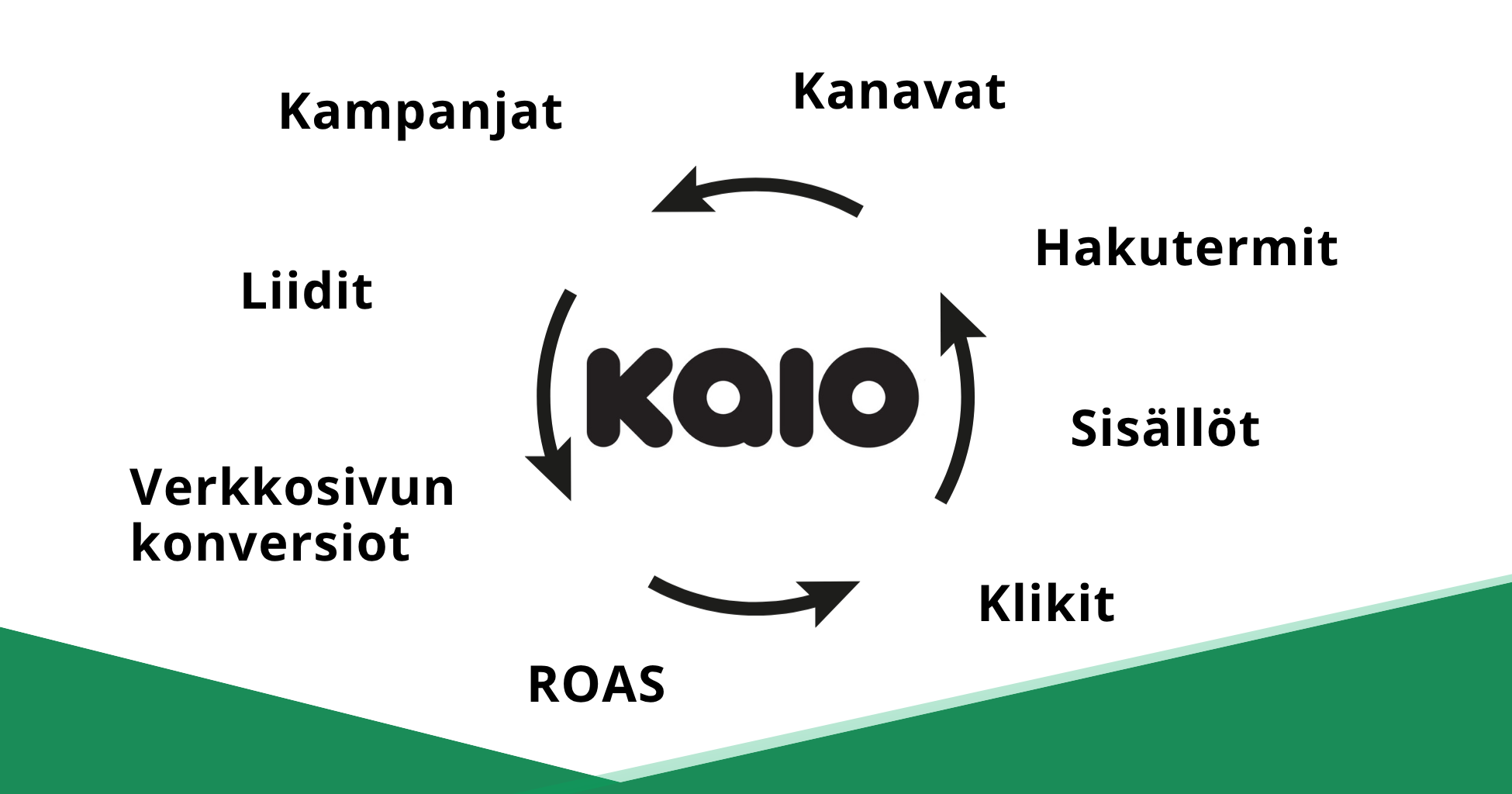
Marketing data to support sales – what should a B2B company measure?
The right metrics reveal whether marketing supports sales or only collects clicks, traffic, and contacts without commercial quality.
Ready to Outpace the Market?
KAIO helps guide sales and marketing with data toward better results.