

Strategy
Attribution modeling in B2B marketing – identify how channels influence conversions
B2B buying journeys rarely resolve through one click. Attribution helps reveal which touchpoints created demand and which converted it.
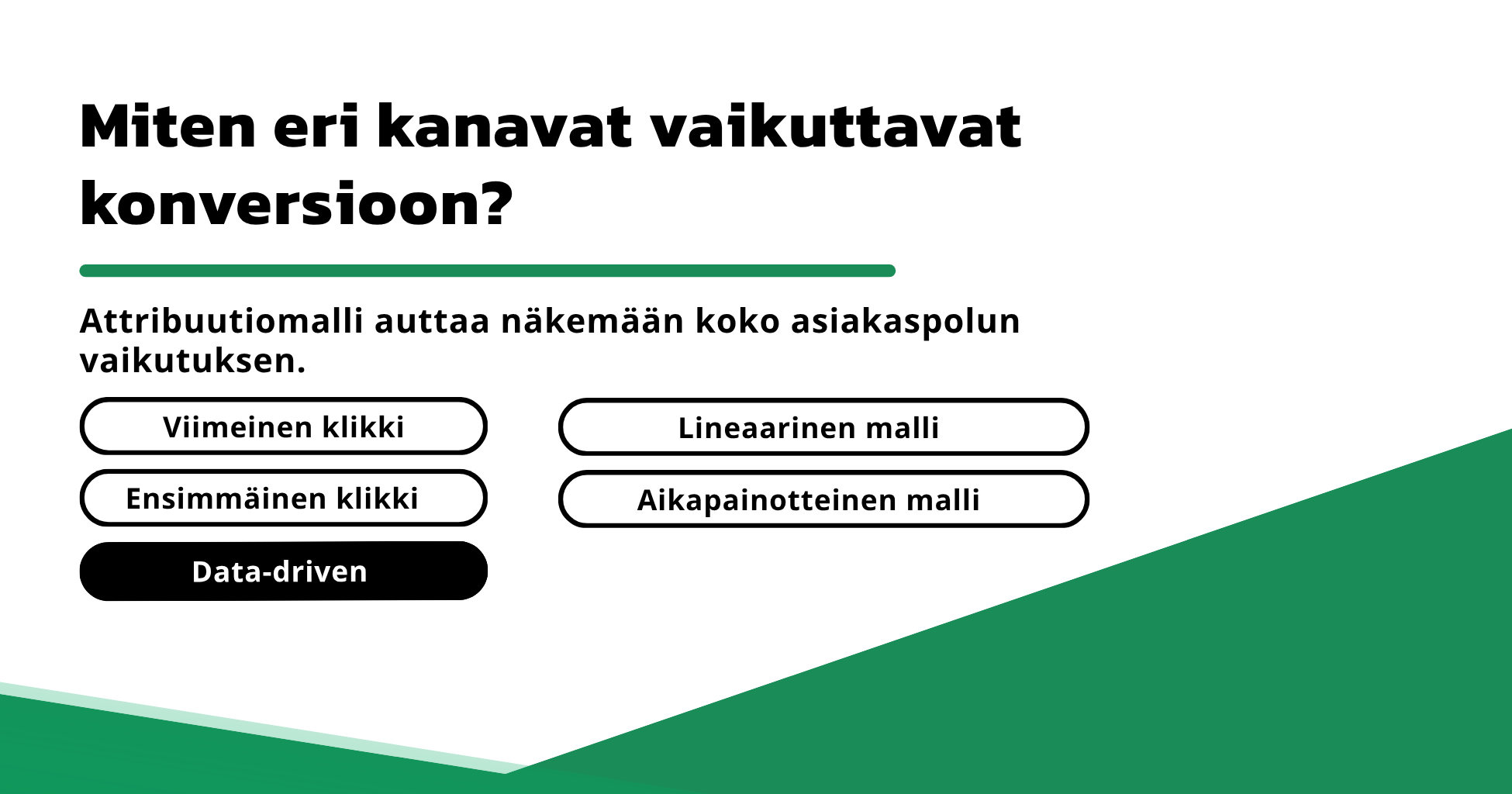
Attribution modeling is a method for identifying and evaluating the marketing and sales touchpoints that lead to a desired outcome, such as a lead or a deal.
In practice, it is about how the value of a deal is distributed across different channels. When B2B marketing measurement is based on the right data, you can see whether the customer's interest was first sparked by an expert article, whether trust was strengthened by a LinkedIn post, and whether Google search was only the final path to the contact form.
A well-built attribution model is key to proving marketing impact and allocating marketing budget where it produces the best result.
Why does the last-click model easily lead to wrong decisions?
The most common and traditional way to measure digital marketing is the last-click attribution model. It gives 100% of the credit to the channel the customer clicked immediately before conversion.
Imagine a typical scenario:
- A marketing manager sees your company's expert video on LinkedIn and becomes interested.
- A week later, they read your blog article through organic search.
- A month later, they are ready to buy, Google your company name, click a branded Google Ads ad, and submit a request for proposal.
If you use the last-click model, Google Ads gets all the credit. Based on that data, you may make a damaging decision: stop the "non-working" LinkedIn advertising and content production, and move the entire budget to Google Ads. As a result, the flow of new customers dries up because you removed the engine at the top of the buying journey that originally created interest.
The last click does not tell the truth; it only shows the finish. It distorts the real ROI of marketing and prevents the company from scaling growth profitably.
How is the B2B buying journey different from consumer commerce?
In B2C, a purchase decision can happen in minutes because of a strong Instagram ad. In B2B marketing, the situation is completely different.
The B2B buying journey is long and complex. It often involves several experts and decision-makers. The decision cycle can last months or even more than a year. That is why customer journey measurement cannot be based on isolated, individual touchpoints. Success in B2B requires understanding the whole buying journey from the first brand encounter to the closed deal.
What attribution models exist?
To understand the true effectiveness of your marketing, it is important to know different approaches. The right attribution model depends on your company's goals and sales cycle length:
- First-click model: Gives all credit to the channel that first brought the customer to the website. Useful for measuring brand awareness, but leaves the later journey in the dark.
- Linear model: Splits value evenly across all touchpoints. Gives a broader view, but does not account for some interactions being more valuable than others.
- Time decay model: Gives more weight to touchpoints that happened closest to conversion.
- Position-based model: Emphasizes the beginning and end of the buying journey, distributing the rest of the value to middle-stage touchpoints. This is often a usable basic model for B2B companies.
- Data-driven model: The most modern approach. AI analyzes a large amount of data and dynamically calculates the actual influence each channel and campaign had on the buying decision.
Want to know which channels and content really influence your customer acquisition?
Do not make decisions based on incomplete data. Find out the true return and bottlenecks of your marketing.
Continue reading
Strategy
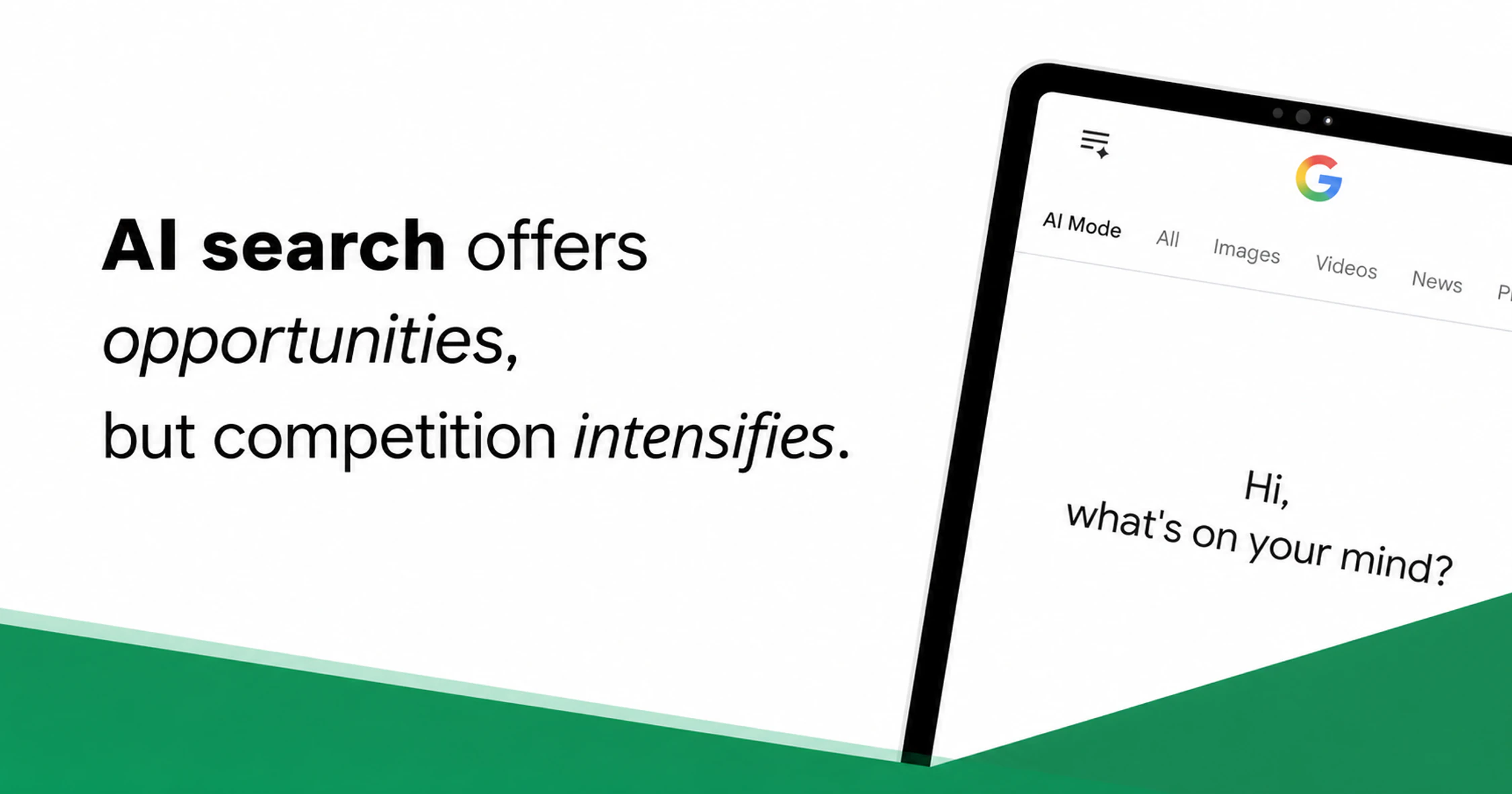
Google is making sources more visible in AI search – what does the change mean for businesses?
Google is adding more in-text links to AI answers and improving how sources are presented. We break down what the change means for business visibility, traffic and customer acquisition.
Strategy
Google AI Mode and ChatGPT Already Answer Your Customers’ Questions. Is Your Company Among the Recommendations?
Traditional search engine optimization is no longer enough. Generative Engine Optimization (GEO) is your new way to win B2B customers before they even reach your website.

Strategy
KAIO vs. Other AI Tools: What Is the Difference Between an AI Tool and a Customer Acquisition Guidance System?
There are more AI tools than ever. The biggest difference is whether a tool only helps you do more or guides customer acquisition through better decisions.
Ready to Outpace the Market?
KAIO helps guide sales and marketing with data toward better results.